Common Causes of Settling in Commercial Concrete Slabs
People seeking concrete slab mudjacking often aim to level and stabilize uneven slabs caused by soil shifting or erosion, and local contractors can provide effective solutions to restore stability.
Understanding the common causes of settling in commercial concrete slabs is essential for property owners looking to maintain safe and functional outdoor spaces. Settling issues can lead to uneven surfaces, cracks, and potential safety hazards, making it important to identify underlying factors that contribute to these problems. Local contractors who specialize in concrete slab repair, including mudjacking services, are well-equipped to assess these causes and provide effective solutions to restore stability and longevity to the concrete.
Property owners in the area often explore this topic because addressing settling early can prevent more extensive damage and costly repairs down the line. Factors such as soil conditions, improper initial installation, or changes in moisture levels can all play a role in why concrete slabs settle over time. By understanding these practical reasons, property owners can better evaluate the need for professional intervention. Local service providers are available to help evaluate the specific causes of settling and recommend appropriate repairs, such as mudjacking, to help keep outdoor surfaces level and safe.
- Concrete slab mudjacking services are often needed when settlement causes uneven or cracked commercial concrete surfaces, and local contractors use specialized lifting techniques to restore stability. When soil shrinkage or erosion lead to sinking slabs, service providers can evaluate the site and perform mudjacking to level the concrete efficiently. In cases where poor soil compaction or underlying voids contribute to settling, local pros employ injection methods to fill gaps and reinforce the foundation. For commercial properties experiencing ongoing movement due to expansive clay or moisture fluctuations, mudjacking offers a practical solution to stabilize the slabs. When previous construction or repairs have failed to prevent settling, experienced contractors can assess the cause and apply mudjacking to correct the issue effectively.
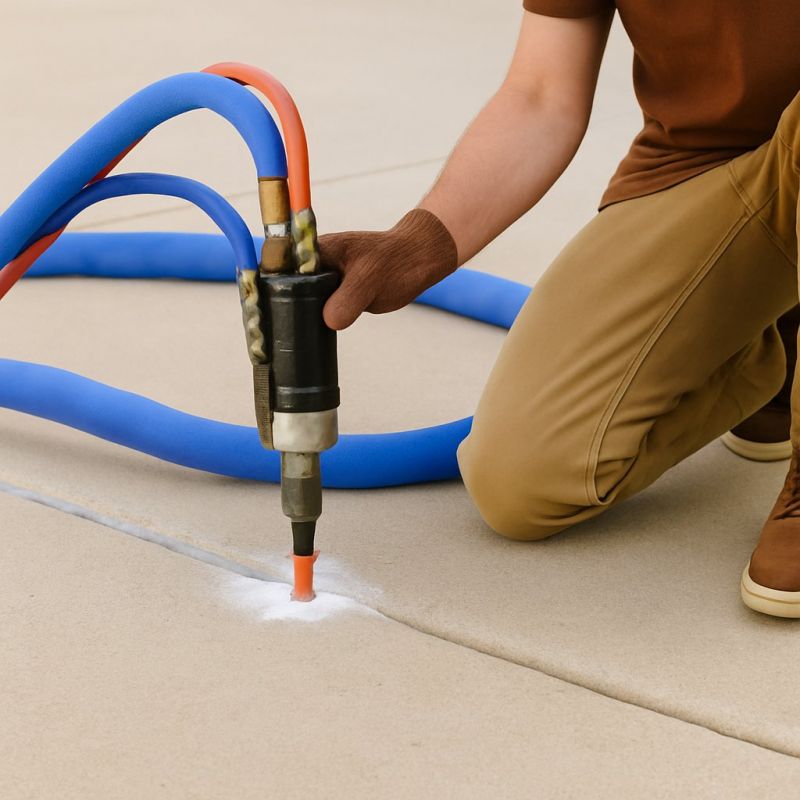
Understanding the common causes of settling in commercial concrete slabs is essential for property owners who notice uneven or sunken areas in their outdoor surfaces. When people search for this topic, they are often concerned about structural stability, safety, and the appearance of their concrete surfaces. Settling can lead to cracked, uneven, or wobbly slabs that may affect foot traffic, vehicle access, or overall property value. This issue is particularly relevant for parking lots, walkways, loading docks, and other commercial areas where consistent, level surfaces are critical for operational efficiency and safety.
The common causes of settling in commercial concrete slabs are typically related to the underlying soil conditions and the installation process. One primary factor is soil compaction - if the soil beneath the slab was not properly compacted during installation, it can settle over time as the soil shifts or erodes. Additionally, soil types such as clay or silt are more prone to expansion and contraction with moisture changes, leading to uneven settling. Poor drainage around the property can also contribute by allowing water to wash away supporting soil or cause soil to expand, both of which undermine the stability of the concrete. Recognizing these causes helps property owners understand why their slabs might be sinking or developing cracks, and how professional mudjacking services can help restore stability.
Certain types of properties are more susceptible to settling issues due to their construction or soil conditions. Commercial properties with large parking lots, loading zones, or outdoor storage areas often experience more significant settling because of the extensive concrete surfaces involved. Locations built on clay-rich or loose soil are at higher risk, especially if drainage is inadequate or if the site was not properly prepared before installation. Older properties with concrete slabs that have experienced years of weather and ground movement may also develop settling problems over time. Knowing these property characteristics allows property owners to better assess whether their site might benefit from professional repair methods like mudjacking, which can lift and stabilize sunken slabs.
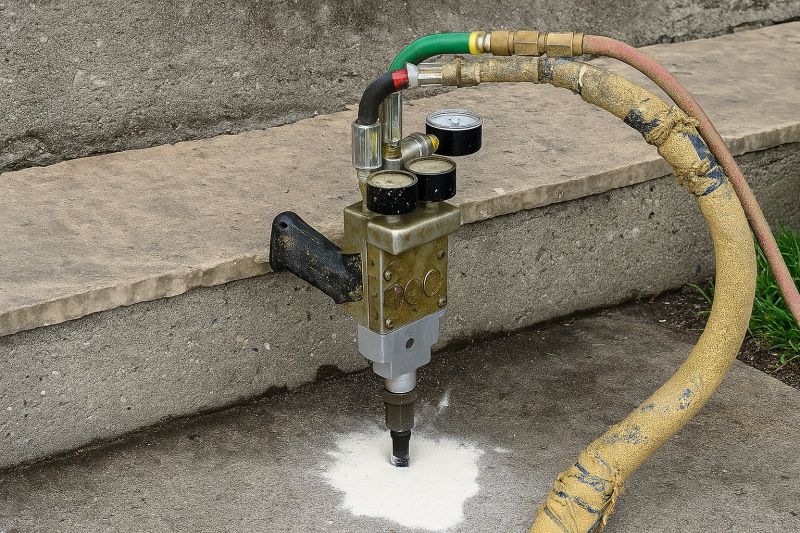
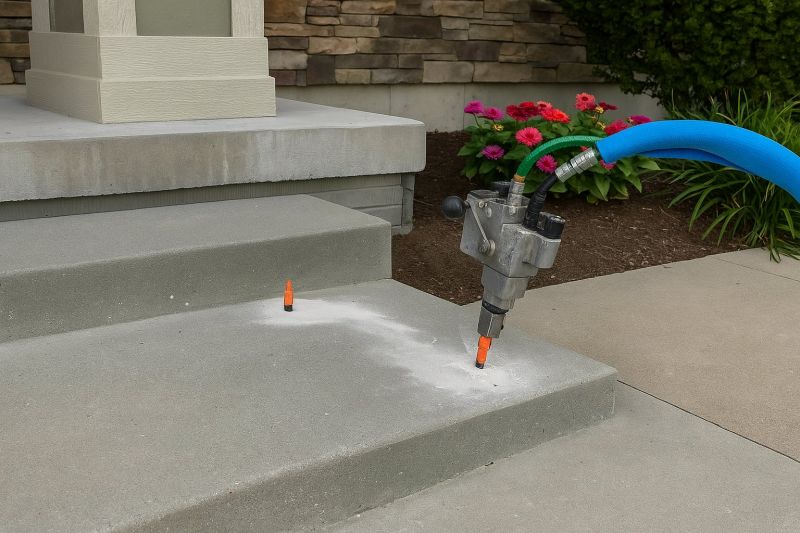
Local service providers specializing in concrete slab repair, such as mudjacking contractors, play a key role in addressing common causes of settling in commercial concrete slabs. These professionals evaluate the underlying soil conditions and the extent of the settling to determine the most effective solution. Mudjacking involves injecting a specialized mixture beneath the slab to lift and level the surface, counteracting the effects of soil movement and compaction issues. By understanding the root causes, local pros can recommend appropriate repairs that not only restore the appearance of the concrete but also improve its long-term stability. For property owners facing uneven or sinking slabs, connecting with experienced contractors can help ensure the problem is addressed efficiently and effectively, preventing further damage and maintaining a safe, functional outdoor space.
Foundation Repair Projects - expertise in addressing uneven settling in commercial slabs aligns with foundation stabilization work, requiring similar planning and soil assessment skills.
Pavement Lifting and Leveling - local contractors performing asphalt or concrete lifting share techniques for correcting uneven surfaces caused by soil movement and voids beneath slabs.
Structural Reinforcement Projects - understanding of soil stability and load distribution is essential for contractors working on projects that prevent or repair settling issues.
Driveway and Walkway Resurfacing - skills used in leveling and restoring concrete surfaces are applicable for addressing common causes of settling in commercial slabs.
Soil Stabilization Services - these projects involve soil assessment and treatment, directly related to preventing or correcting settling in concrete slabs.
Retaining Wall Construction - designing and installing retaining walls requires knowledge of soil behavior and movement, similar to addressing causes of slab settling.
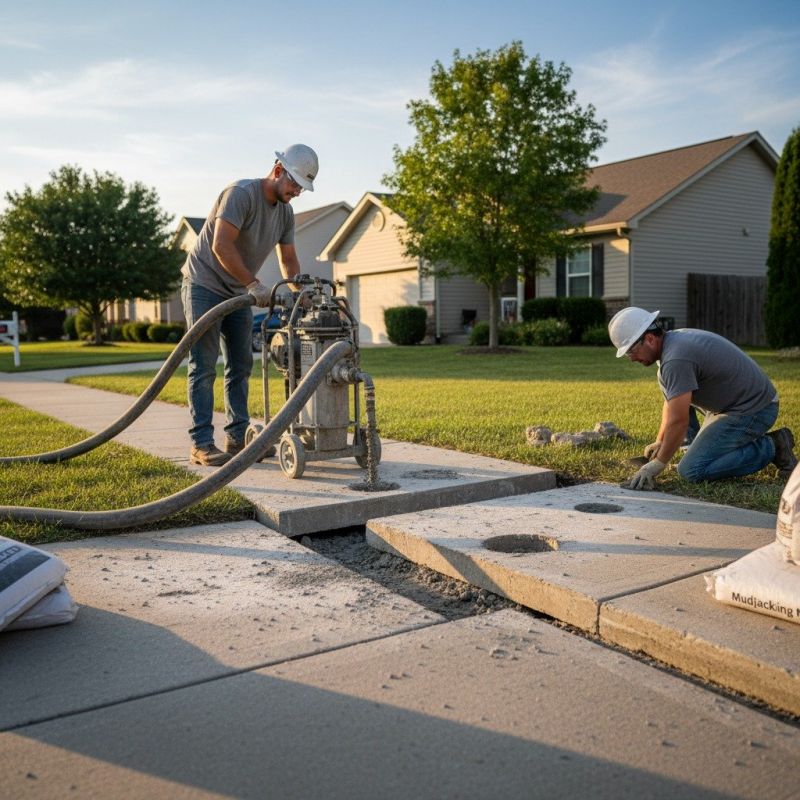
When comparing service providers for concrete slab mudjacking, it is important to consider their experience with similar projects. Homeowners should look for local contractors who have a proven track record of handling concrete slabs with issues related to common causes of settling. An experienced professional will understand the underlying factors that lead to uneven settling, such as soil erosion or improper compaction, and can tailor their approach accordingly. Asking for examples of past work or references related to commercial concrete slabs can provide insight into their familiarity with the specific challenges associated with settling issues.
Clear and detailed written expectations are essential when evaluating potential contractors. A reputable service provider should be able to outline the scope of work, what the mudjacking process entails, and any necessary preparations or follow-up steps. This transparency helps ensure that homeowners understand what to expect and can compare proposals effectively. Well-defined expectations also minimize misunderstandings and provide a basis for assessing whether the contractor’s approach aligns with the project’s needs.
Good communication and reputable references are key indicators of a reliable local contractor. Homeowners should inquire about how the contractor communicates during the project, including responsiveness to questions and clarity in explaining the work involved. Additionally, seeking references or reviews from previous clients can offer valuable insights into the contractor’s professionalism and quality of work. Contractors who prioritize clear communication and have positive feedback from past projects are more likely to deliver satisfactory results when addressing issues caused by common causes of settling in commercial concrete slabs.
Property owners often search for common causes of settling in commercial concrete slabs when they are planning practical projects around their homes and businesses. Local pros provide Concrete Slab Mudjacking services for everyday jobs and straightforward project options.
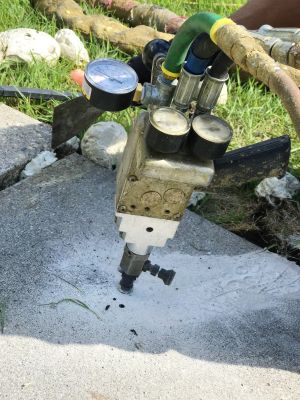
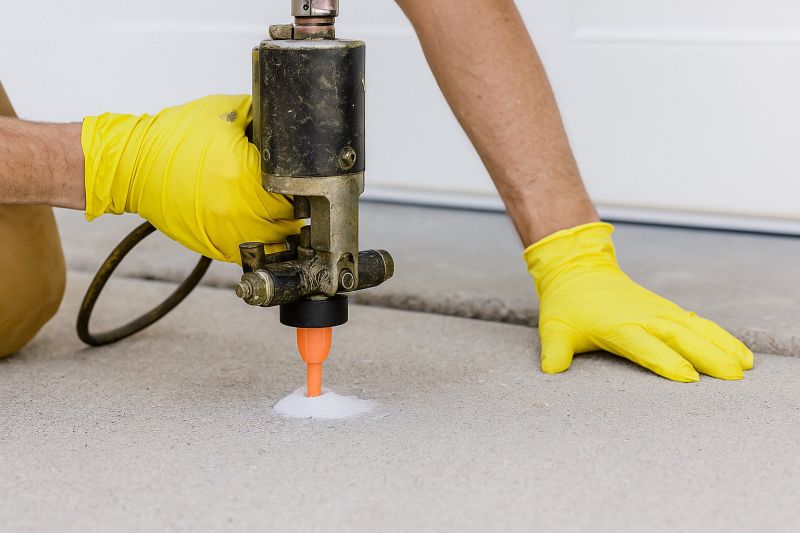
Understanding the common causes of settling in commercial concrete slabs can help property owners identify issues early and seek appropriate solutions. In many cases, uneven settling occurs due to problems with the soil beneath the slab, such as soil compaction issues or the presence of expansive clay that swells and shrinks with moisture changes. Additionally, improper preparation before pouring the concrete-like inadequate subgrade support or inconsistent gravel bedding-can lead to uneven support and eventual settling over time. Recognizing these everyday project situations can prompt property owners to consult local contractors who specialize in mudjacking, a process that can help stabilize and lift uneven slabs.
Other frequent reasons for settling include changes in moisture levels around the property, which can cause soil to shift or wash away, and poor drainage that leads to water pooling beneath the slab. Heavy loads or frequent traffic on the surface may also contribute to gradual settling, especially if the concrete was not designed to handle such stress. When these issues arise, local service providers with experience in concrete slab leveling can evaluate the situation and recommend mudjacking services as an effective way to restore stability and prevent further damage. This approach can be a practical solution for property owners dealing with uneven commercial concrete slabs caused by everyday site conditions.
What are common causes of settling in commercial concrete slabs? Poor soil conditions, such as unstable or weak soil, often lead to uneven settling. Inadequate compaction during installation can also cause slabs to shift over time. Additionally, changes in moisture levels can weaken the soil underneath, resulting in settling issues.
How does soil instability contribute to concrete slab settling? Soil instability, including expansive clay or loose fill, can shift or compress under the weight of the slab. This movement creates voids and uneven support, leading to settling and potential cracking in the concrete.
Can improper installation practices cause settling in commercial concrete slabs? Yes, insufficient subgrade preparation, such as inadequate compaction or improper grading, can result in uneven support. These issues may cause the concrete to settle unevenly as the soil beneath shifts or compresses over time.
What role does moisture change play in the settling of concrete slabs? Fluctuations in moisture levels can cause soil to expand or contract, especially in clay soils. These movements create voids or uneven support beneath the slab, leading to settling and potential damage.
How can local contractors help address settling issues in commercial concrete slabs? Experienced service providers can assess the underlying causes of settling, such as soil conditions or installation issues, and perform mudjacking to lift and stabilize the slab, restoring its levelness and preventing further settling.
Soil instability - understanding how shifting or poorly compacted soil beneath a slab can lead to settling helps property owners plan for proper site preparation with local contractors.
Poor drainage - recognizing drainage issues around a commercial property can guide property owners to improve grading or install drainage solutions with local service providers.
Inadequate base material - knowing that an insufficient or uneven base can cause settling encourages property owners to ensure proper subgrade preparation before pouring concrete.
Environmental factors - awareness of freeze-thaw cycles and moisture exposure can lead property owners to seek professional solutions like mudjacking to stabilize and lift settled slabs.
If you are thinking about common causes of settling in commercial concrete slabs for a property, this guide is meant to help you understand this topic, the typical project types, and how different options might fit your plans.
When you are ready, you can use the quote form on this page to share a few details about your project. From there, local pros can review the basics and follow up with options that match what you have in mind.